
Growth should create opportunity—not operational confusion.

When a business grows, everyone celebrates it as a sign of success: new customers, new hires, new offices. But the same growth curve carries an invisible side effect — complexity. As revenue climbs, operational clarity often quietly declines, and the gap between the two widens before anyone notices.
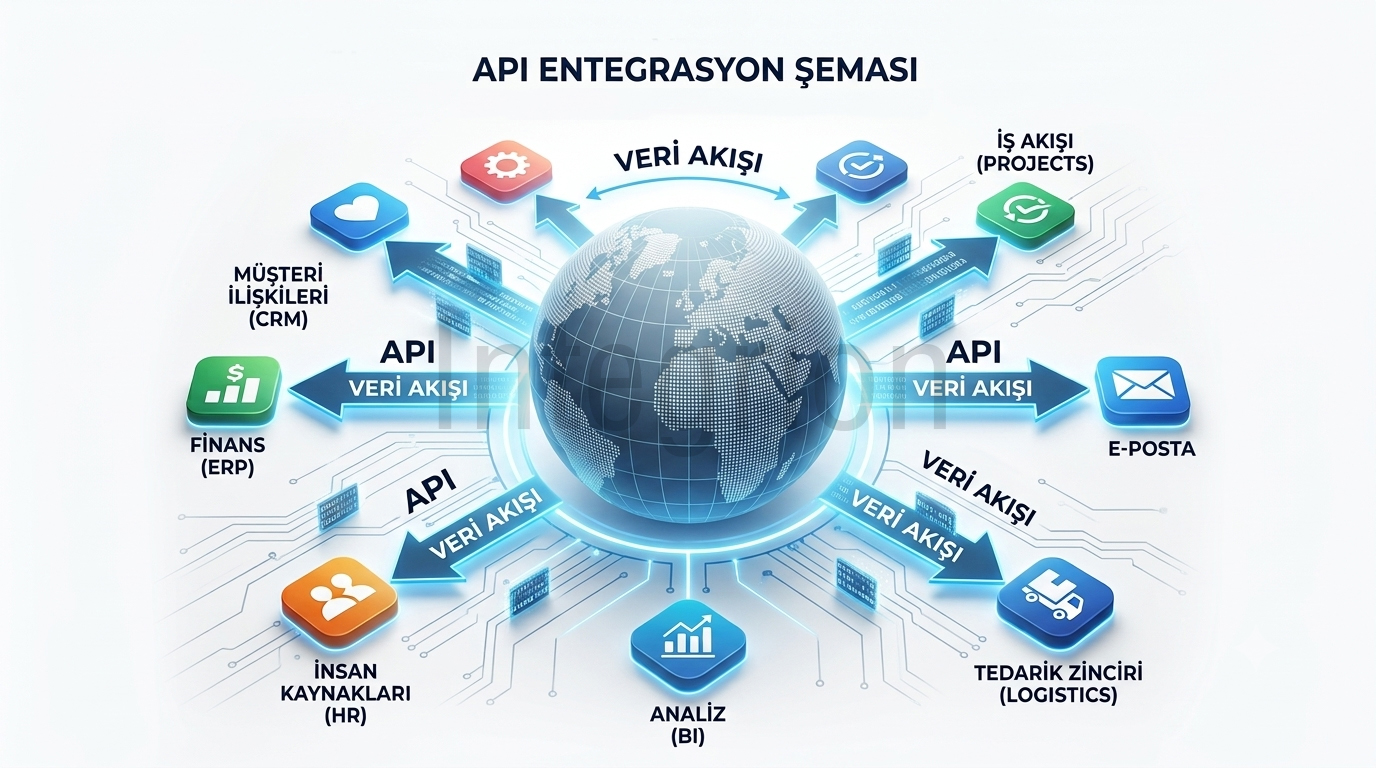
Complexity rarely arrives through one big decision. It builds up through dozens of small, reasonable ones. A new sales rep brings their own spreadsheet template. Operations speeds things up with a group chat. Accounting maintains its own "version of the truth" in a separate tool. Each choice makes sense in isolation — but together, they leave the company without a single shared language.
Complexity itself is abstract, but its consequences are very concrete:
Most companies try to solve complexity with "more managers" or "more meetings." But the real problem usually isn't a shortage of people — it's a shortage of structure.
The good news: complexity isn't an inevitable cost of growth. Companies that scale fast while staying operationally simple tend to share three habits:
Growth inherently brings more moving parts. But how those parts connect to each other is a choice. Companies often treat complexity as "a temporary phase" and postpone dealing with it — when in fact, the right structure built early makes every subsequent stage of growth cheaper and faster.
We built Integrion for exactly this problem: so your systems can scale in step with your business, instead of pulling apart from it.
Explore more of our articles on this topic.