

"Our systems are integrated" is a phrase most companies today are proud to say. But there's a bigger gap than most people realize between integration and real operational connection — and that gap explains why so many "modernization" projects don't deliver the benefit everyone expected.
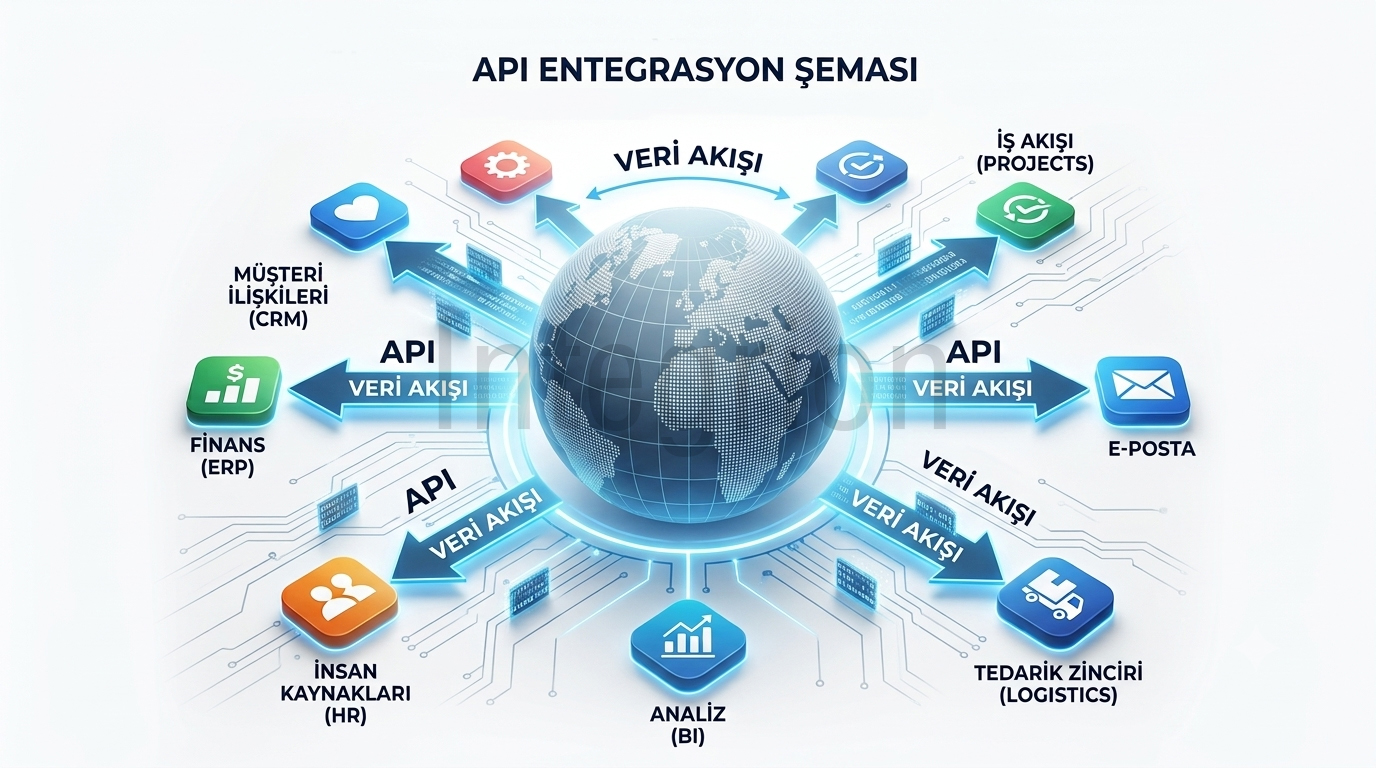
Connected applications means data flows automatically from one system to another. A new customer in a CRM automatically lands in the accounting system. A form submission automatically triggers an email. This is useful — but it only solves data movement.
Connected operations goes one step further: it's not just data that's shared, it's process and context. The difference shows up here:
Integration answers the question "should this data go there too?" Connected operations answers the question "how should our work proceed when this event happens?"
Companies that only connect their applications tend to run into the same issue: data now moves, but the process is still manual. Someone still has to see that data, interpret it, and manually kick off the next step by hand. Integration reduces friction — it doesn't eliminate it.
Real operational connection delivers all three of these together:
Connecting applications is a good start, and it's certainly better than no connection at all. But the goal shouldn't stop there. We designed Integrion to go beyond data flow — bringing process and visibility together on the same platform — because real efficiency comes from operations being connected, not just applications.
Explore more of our articles on this topic.