
Information alone doesn't improve decisions. Context does.

Over the last decade, businesses have been pushed to collect more data, build more dashboards, and produce more reports. But more data doesn't automatically mean better decisions. Often it's the opposite: as data grows, it gets harder to tell which piece of it actually matters.
A number, on its own, doesn't tell a story. "40 new deals opened this month" is neutral without context. It becomes meaningful once you add: *up 20% from last month, but average deal size is down 15%, and most of them came from a single channel.*
Context is the history, relationships, and process information surrounding a data point: What happened with this customer before? Which channel did this deal come from? Why was this project delayed — a lack of resources, or a client-side approval process?
A polished dashboard can create a false sense of confidence. Numbers look precise, but without the story behind them, a manager can reach the wrong conclusion:
A good dashboard tells you *what* happened. Good context tells you *why* it happened — and what you should do about it.
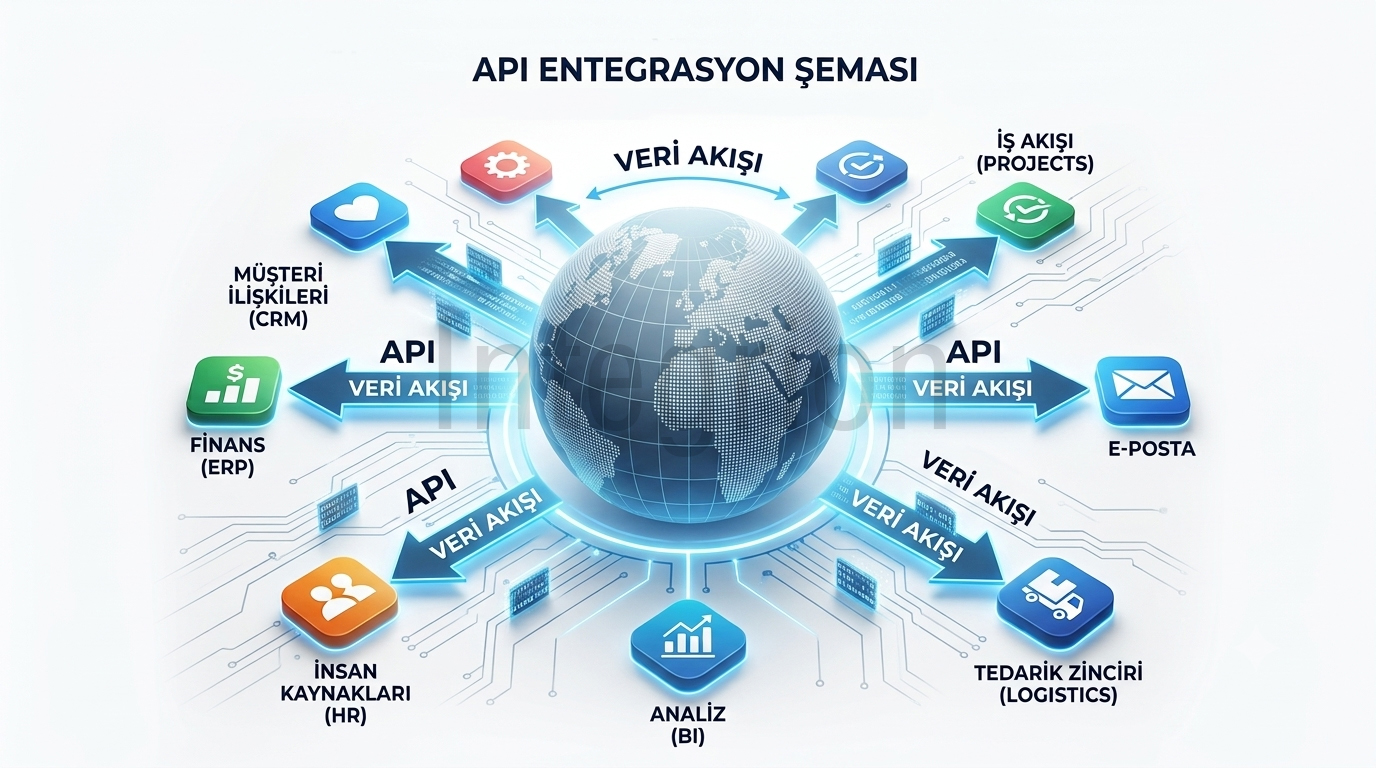
Context usually already exists somewhere in the organization — it's just scattered. In a sales rep's head, in an email thread, in a meeting note. The problem isn't a lack of information; it's that the information isn't connected.
When we designed Integrion, our priority wasn't producing more reports — it was making the context behind every number visible. Because the real quality of a decision isn't measured by how much data you have, but by how well you understand it.
Explore more of our articles on this topic.