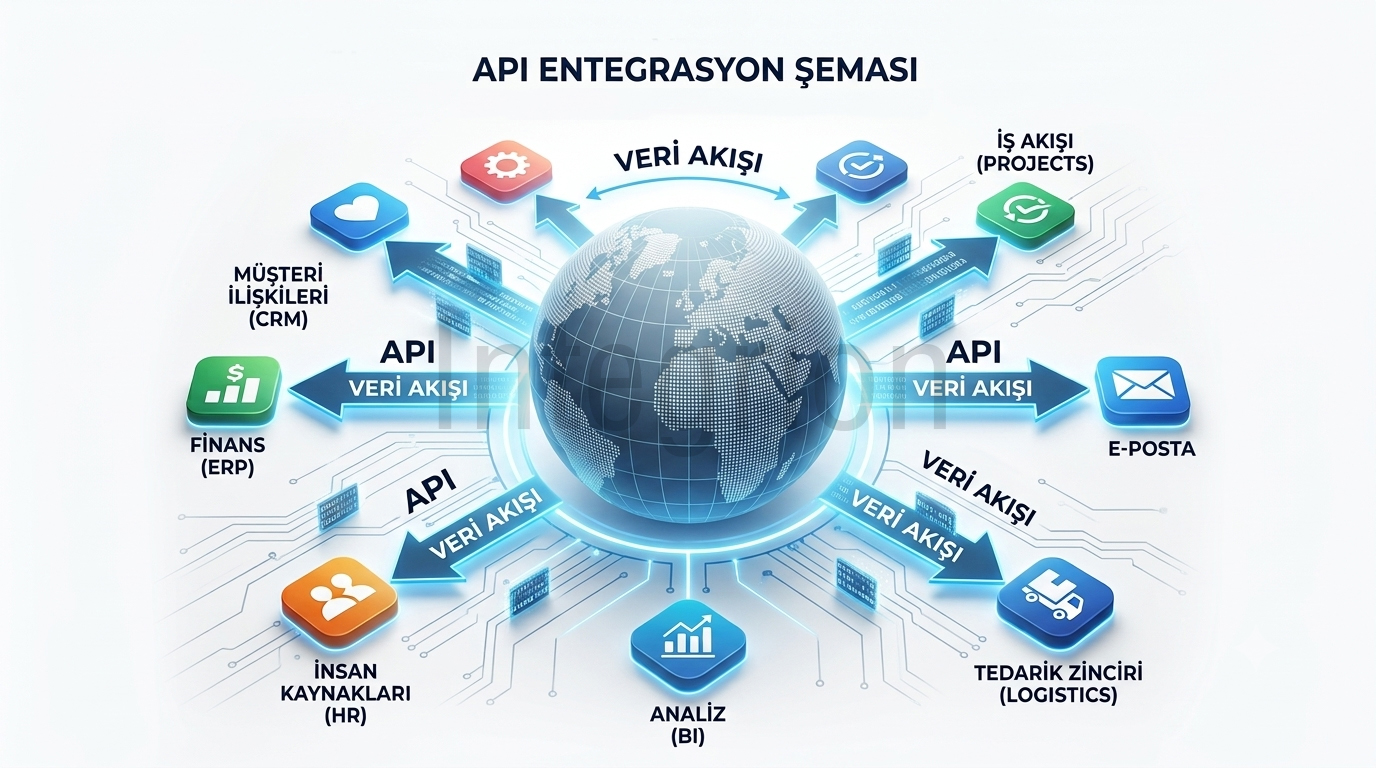


When a team runs into a new problem, the first instinct is almost always the same: "is there an app for this?" And usually, there is. The trouble is that this reflex, repeated for years, leaves companies with dozens of tools that don't talk to each other.
The monthly invoice for a new SaaS tool is visible. What isn't visible is this:
Ask a business how many applications it uses, and the real number is almost always double the first guess. Departments often don't know what tools the department next door relies on.
Buying a new tool is almost always easier than changing an existing process. You can enter a credit card and be set up in fifteen minutes, while integrating an existing system can feel like it will take weeks. But that short-term convenience significantly raises total cost over time — both financially and operationally.
Every time you think you need a new tool, ask first: *Could we meet this need by extending what we already have?*
More often than not, the answer is yes — because what's actually missing isn't new software, it's a missing connection between existing systems:
The word "integration" tends to sound intimidating because it conjures up a complex engineering project. But on modern platforms, it's become far more of a configuration task than an engineering one. That's exactly what Integrion's integration hub is for: making sure you ask whether your existing systems can talk to each other before you add a new one.
Next time your team says "we need an app for this," try connecting what you already have first. It's usually cheaper, faster, and far more sustainable.
Explore more of our articles on this topic.